The idea of a world without money has long been dismissed as unrealistic or purely theoretical. Modern life revolves around currencies, financial institutions, wages, and markets. Nearly every aspect of survival, from housing and healthcare to education and food, is connected to monetary exchange. Yet as economic inequality grows and financial crises continue to disrupt societies, more people are beginning to ask an important question. Can humanity thrive without money?
The concept of a post monetary society challenges long standing assumptions about value, ownership, and human progress. Rather than organizing society around wealth accumulation and debt, this vision explores systems centered on cooperation, shared resources, and collective wellbeing. While the idea may seem radical, history and emerging alternatives suggest that a different economic future may be possible.
Understanding the Foundations of a Post Monetary Society
A post monetary society is not simply a world where money disappears overnight. Instead, it is a social and economic framework where access to essential resources is not determined by financial status. In such a society, food, healthcare, housing, education, and other necessities are organized around human need rather than purchasing power.
This idea challenges the belief that money is the only effective way to coordinate economic activity. Supporters argue that technological advancement, improved resource management, and cooperative systems make it possible to rethink how societies distribute goods and services.
The goal is not chaos or the absence of organization. Rather, it is the creation of systems where human wellbeing becomes the primary measure of success.
Lessons From Early Human Societies
Humanity did not always rely on money. For most of human history, people lived in communities where survival depended on cooperation and shared responsibility. Anthropological research shows that early societies often operated through systems of reciprocity, gifting, and communal ownership.
Food was shared among members of the group, labor was divided according to ability, and resources were treated as collective necessities. These communities survived for thousands of years without banks, stock markets, or wage based economies.
While modern societies are more complex, these historical examples demonstrate that economic organization is not fixed. Human beings have repeatedly adapted their systems of exchange and cooperation to meet changing needs.
The Promise of a Resource Based Economy
One of the most discussed alternatives within a post monetary society is the resource based economy. This model focuses on managing resources according to availability, sustainability, and human need rather than market demand.
In a resource based economy, scientific methods and technology help determine how resources are produced and distributed efficiently. Instead of competing for access, communities work collectively to ensure that essential goods are available to everyone.
Supporters believe this approach could reduce waste, eliminate many forms of inequality, and improve overall quality of life. With advances in automation and renewable energy, the possibility of meeting basic human needs without traditional financial systems is becoming an increasingly important area of discussion.
Moving Beyond Artificial Scarcity
Modern economies often operate under the assumption that scarcity is unavoidable. However, many researchers argue that scarcity is frequently the result of distribution systems rather than actual shortages.
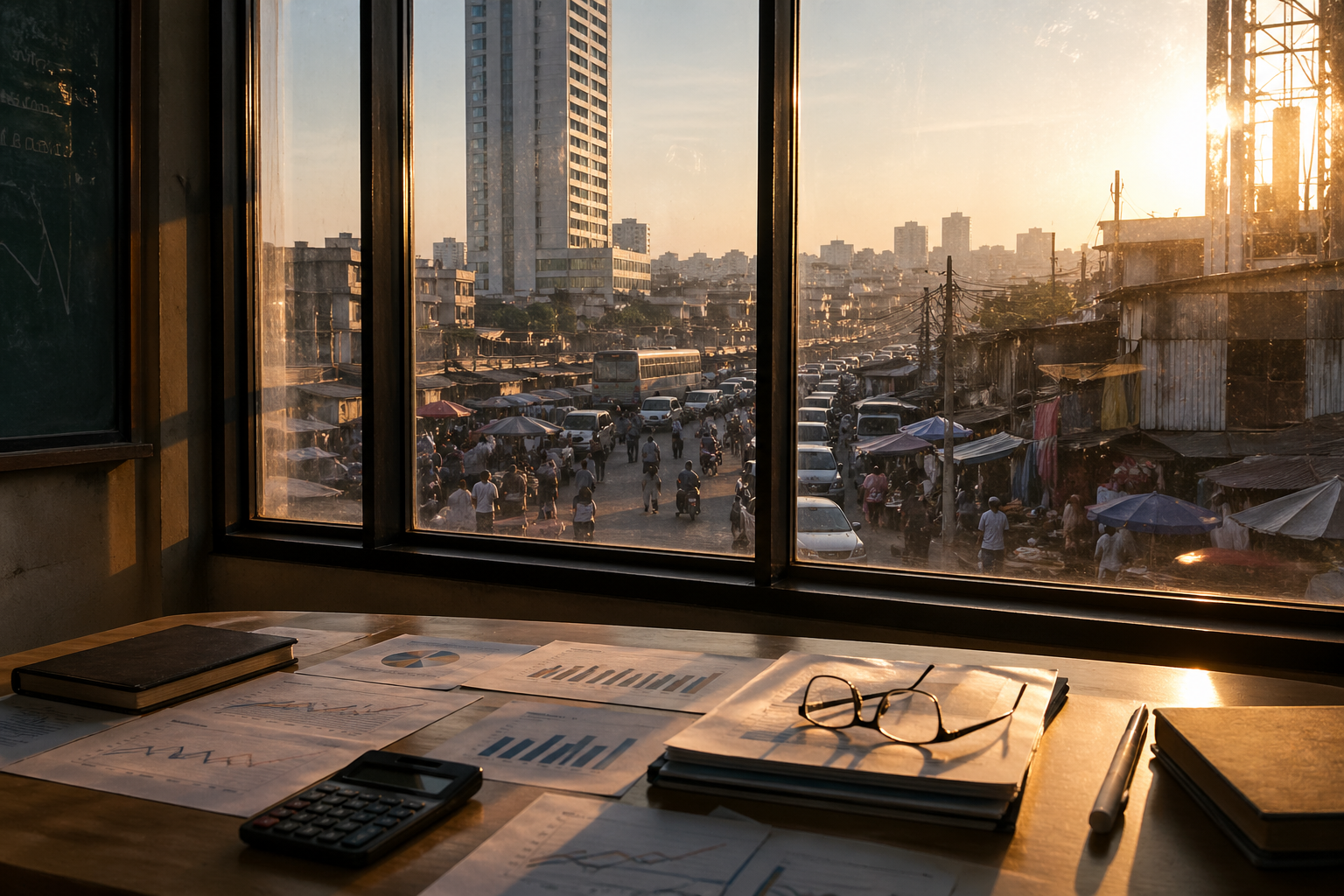
The world currently produces enough food to feed the global population, yet hunger persists. Empty homes exist alongside housing shortages. Medical technologies continue advancing, yet millions lack access to healthcare.
A moneyless society seeks to address these contradictions by prioritizing access over ownership and cooperation over competition. The focus shifts from asking who can afford resources to asking how resources can be shared fairly and sustainably.
This approach challenges the idea that survival should depend on financial status. Instead, it views essential resources as collective responsibilities.
Technology and the Future Economy
The development of advanced technologies has transformed discussions about the future economy. Artificial intelligence, automation, and digital coordination systems are reshaping how societies produce goods and manage resources.
Automation can reduce the need for repetitive labor while increasing productivity. Renewable energy technologies make sustainable resource generation more accessible. Digital systems allow communities to coordinate distribution and services on an unprecedented scale.
These innovations raise an important possibility. If technology can provide abundance and efficiency, societies may no longer need systems built around scarcity and debt.
In a future economy focused on human wellbeing, technology becomes a tool for expanding access rather than increasing inequality.
Challenges to Building a Moneyless Society
Despite its appeal, the idea of a moneyless society faces significant challenges. Existing institutions, legal systems, and cultural norms are deeply connected to monetary exchange. Transitioning away from these systems would require profound social and political changes.
There are also practical questions regarding governance, innovation, and accountability. How would large populations coordinate complex activities without markets? How would societies ensure fairness and encourage creativity?
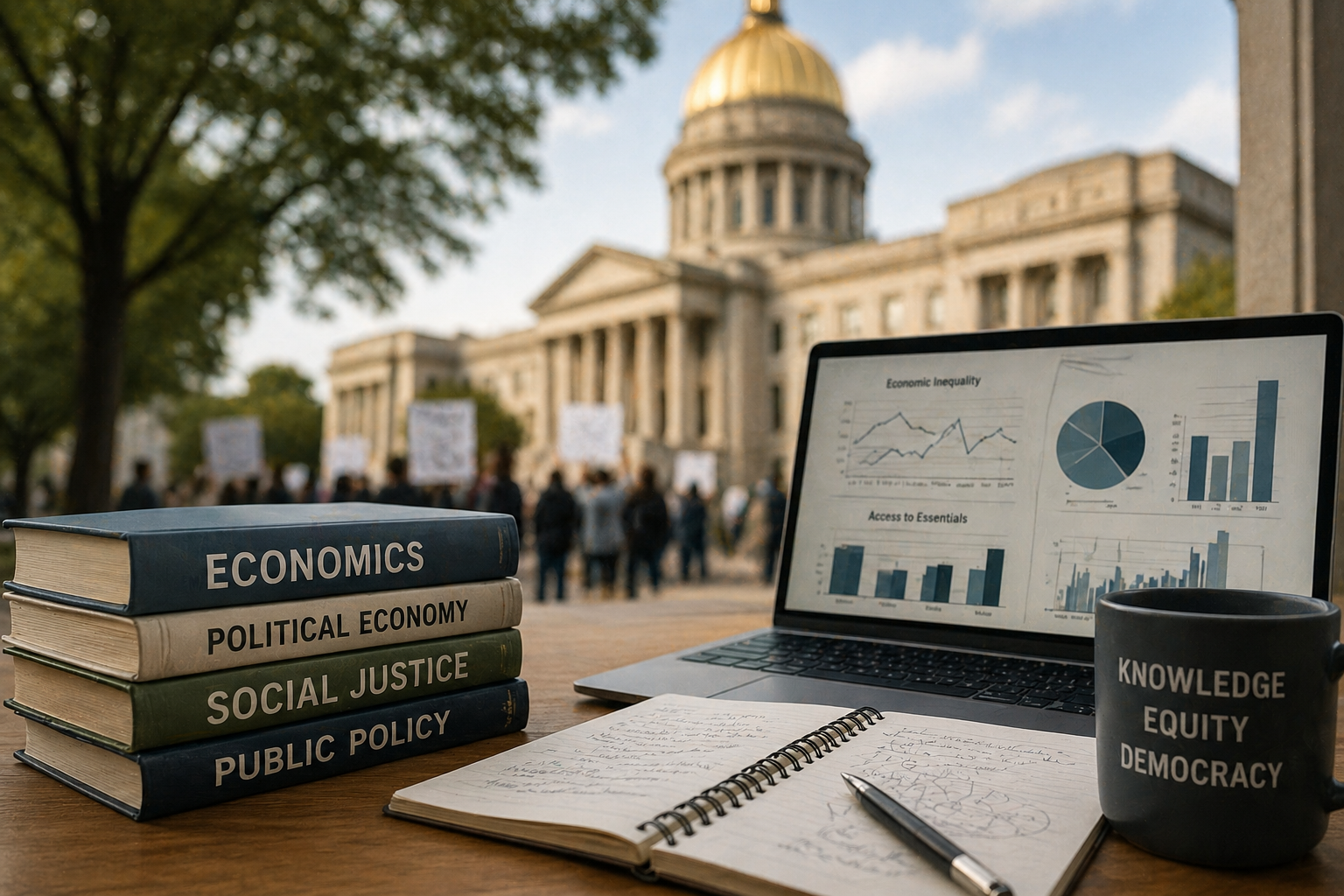
Supporters argue that cooperation, transparency, and democratic participation could address many of these concerns. They point to cooperative organizations, community networks, and open source projects as examples of successful collaboration beyond traditional market competition.
While the path may be difficult, these discussions encourage societies to think critically about existing systems and explore new possibilities.
Rethinking Human Progress
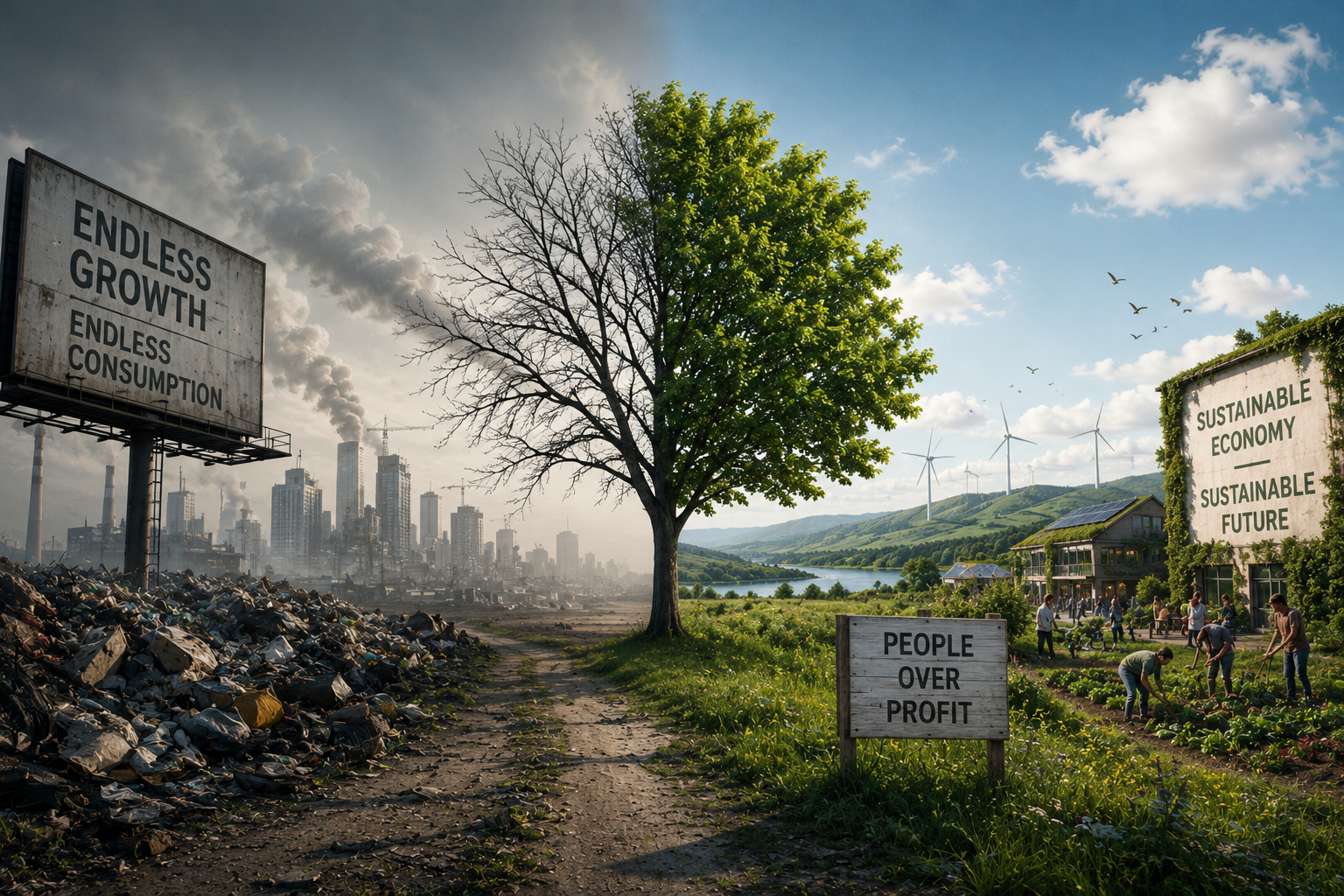
The exploration of economic alternatives is ultimately about more than money. It is about redefining progress itself. For centuries, societies have measured success through wealth accumulation, production, and economic growth. Yet these measures often overlook wellbeing, equality, and environmental sustainability.
A post monetary society invites a different perspective. It asks whether prosperity should be measured by financial wealth or by the ability of individuals and communities to live healthy, meaningful, and secure lives.
This shift encourages a broader understanding of value. Human relationships, creativity, knowledge, and ecological balance become central to how societies define success.
Conclusion
The idea of a post monetary society may challenge conventional thinking, but it also opens the door to important conversations about the future of humanity. By exploring economic alternatives such as the resource based economy, shared ownership, and cooperative systems, societies can begin imagining futures that move beyond debt, scarcity, and inequality.
Whether or not humanity completely abandons money, the discussion itself is valuable. It encourages people to question assumptions, rethink priorities, and explore how economies can better serve human needs.
The future may not depend solely on how much wealth societies create, but on how effectively they share resources, support one another, and build systems that allow all people to thrive.