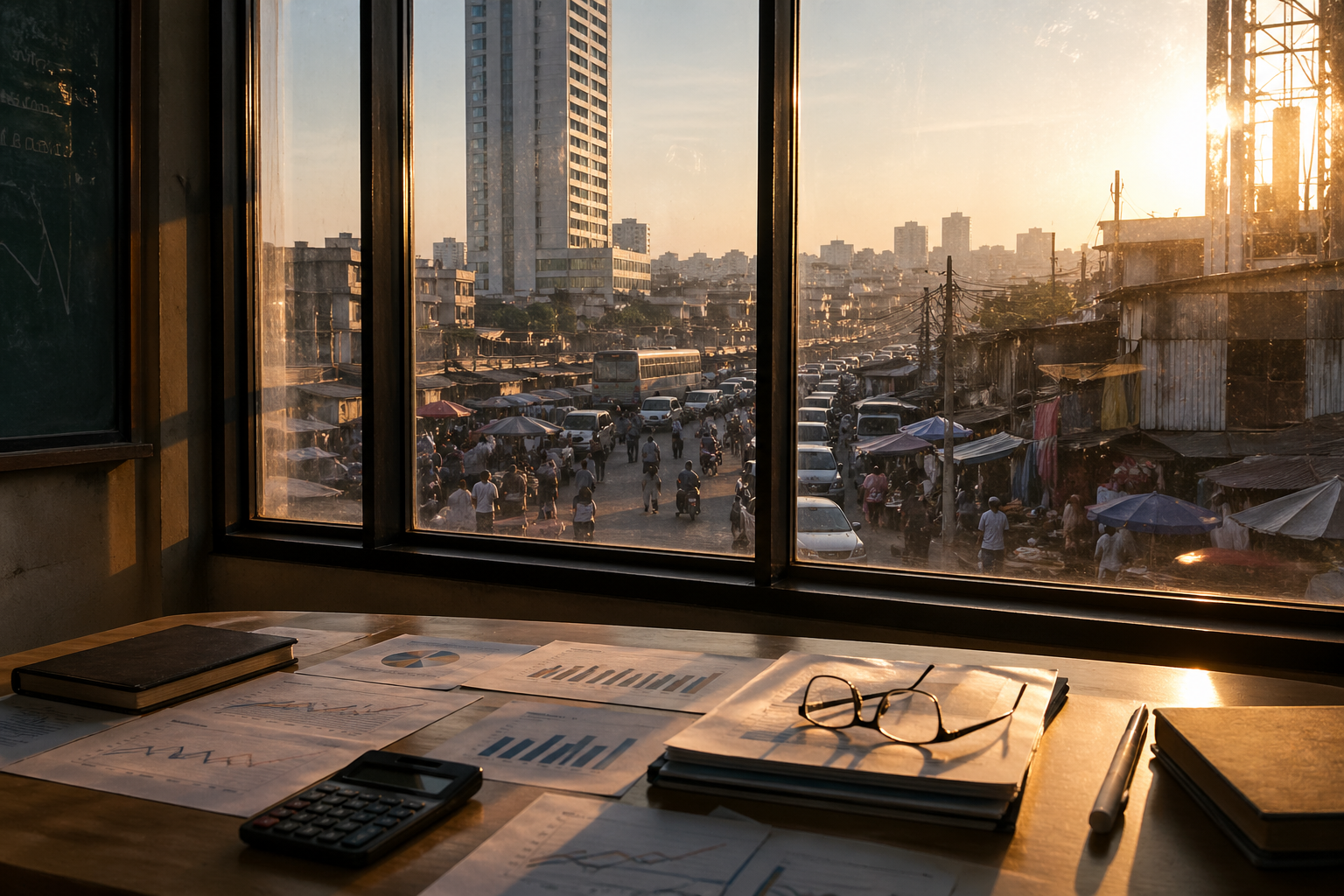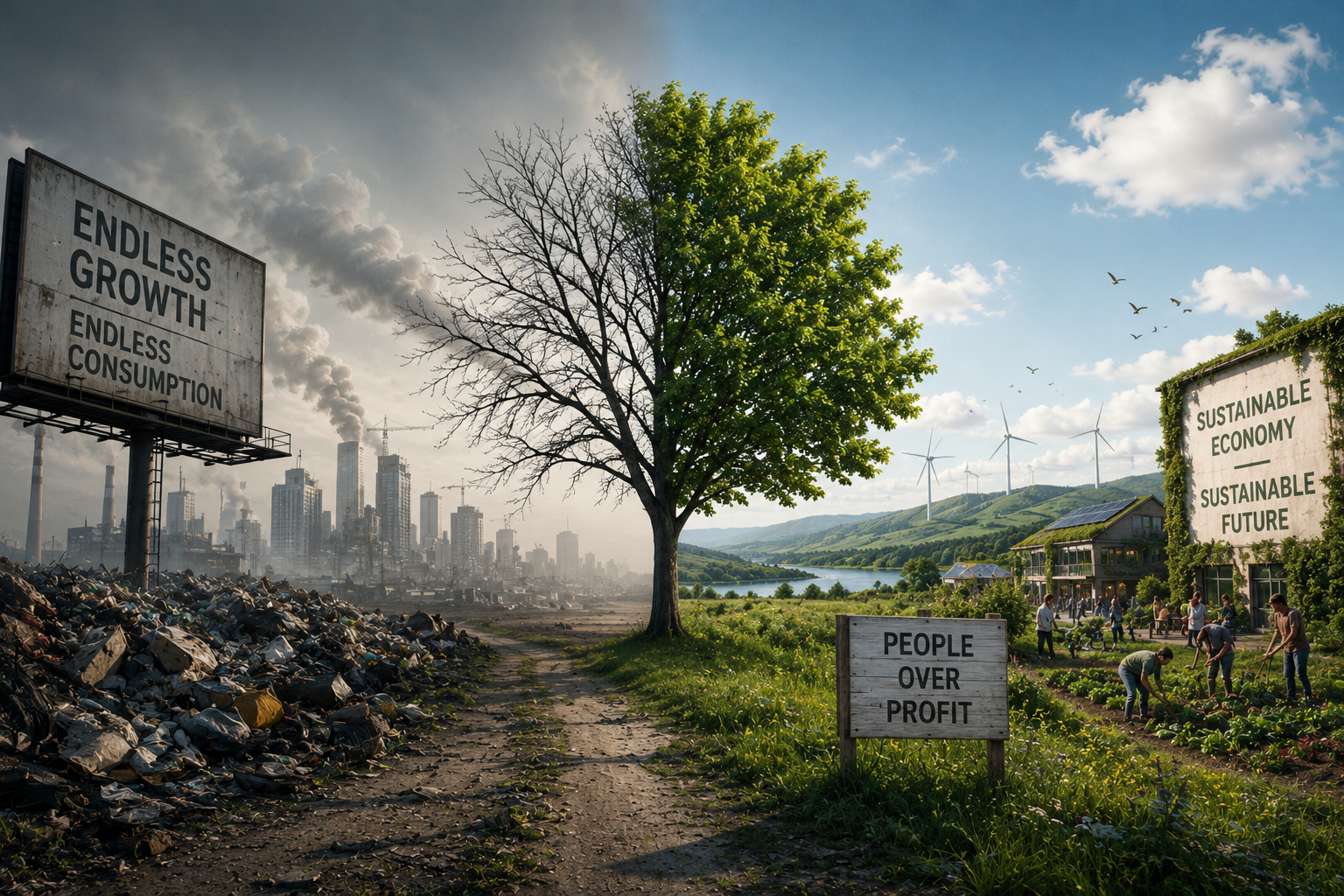
For decades, economic growth has been regarded as the ultimate measure of national success. Governments celebrate rising GDP, corporations pursue expanding markets, and societies are encouraged to equate prosperity with continuous economic expansion. The assumption is simple. More growth means more progress, more jobs, and a better quality of life. Yet growing inequality, environmental degradation, and recurring economic crises have led many scholars and thinkers to question this belief. Is endless growth truly sustainable, or is it a myth that no longer serves humanity’s long term interests?
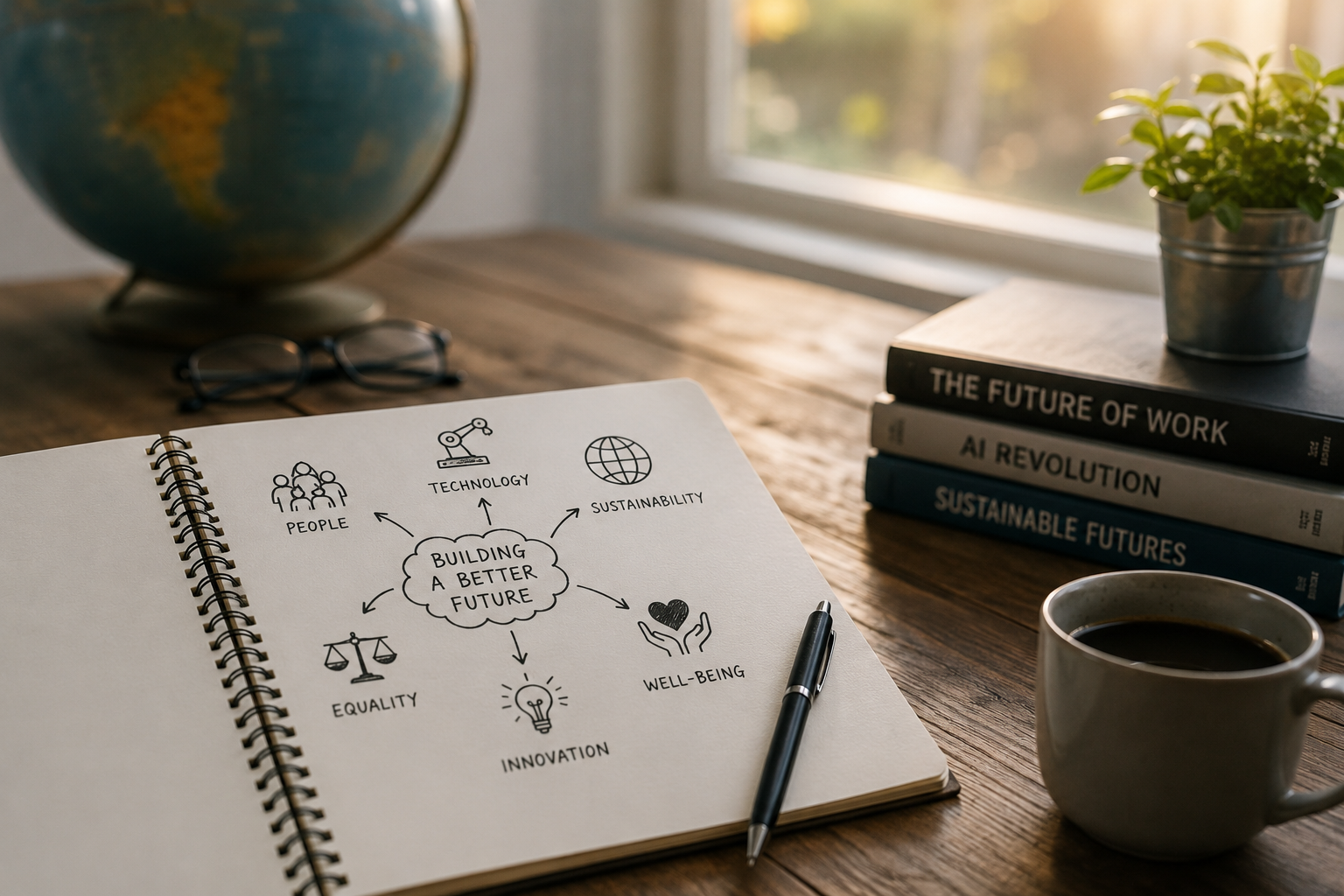
The debate surrounding the sustainable economy challenges the traditional belief that economies must expand indefinitely to thrive. Instead, it proposes that societies should focus on human wellbeing, ecological balance, and equitable access to resources. This shift requires moving beyond profit driven systems and embracing models that place people and the planet at the center of economic thinking.
The Origins of the Growth Obsession
Modern economies are deeply rooted in the concept of economic growth. Growth is typically measured through indicators such as Gross Domestic Product, which tracks the monetary value of goods and services produced within a country. While GDP provides useful information about economic activity, it does not measure happiness, equality, environmental health, or social wellbeing.
Over time, economic growth became more than a measurement. It evolved into an objective in itself. Governments pursued policies aimed at increasing production and consumption, often assuming that growth would naturally improve living standards for everyone.
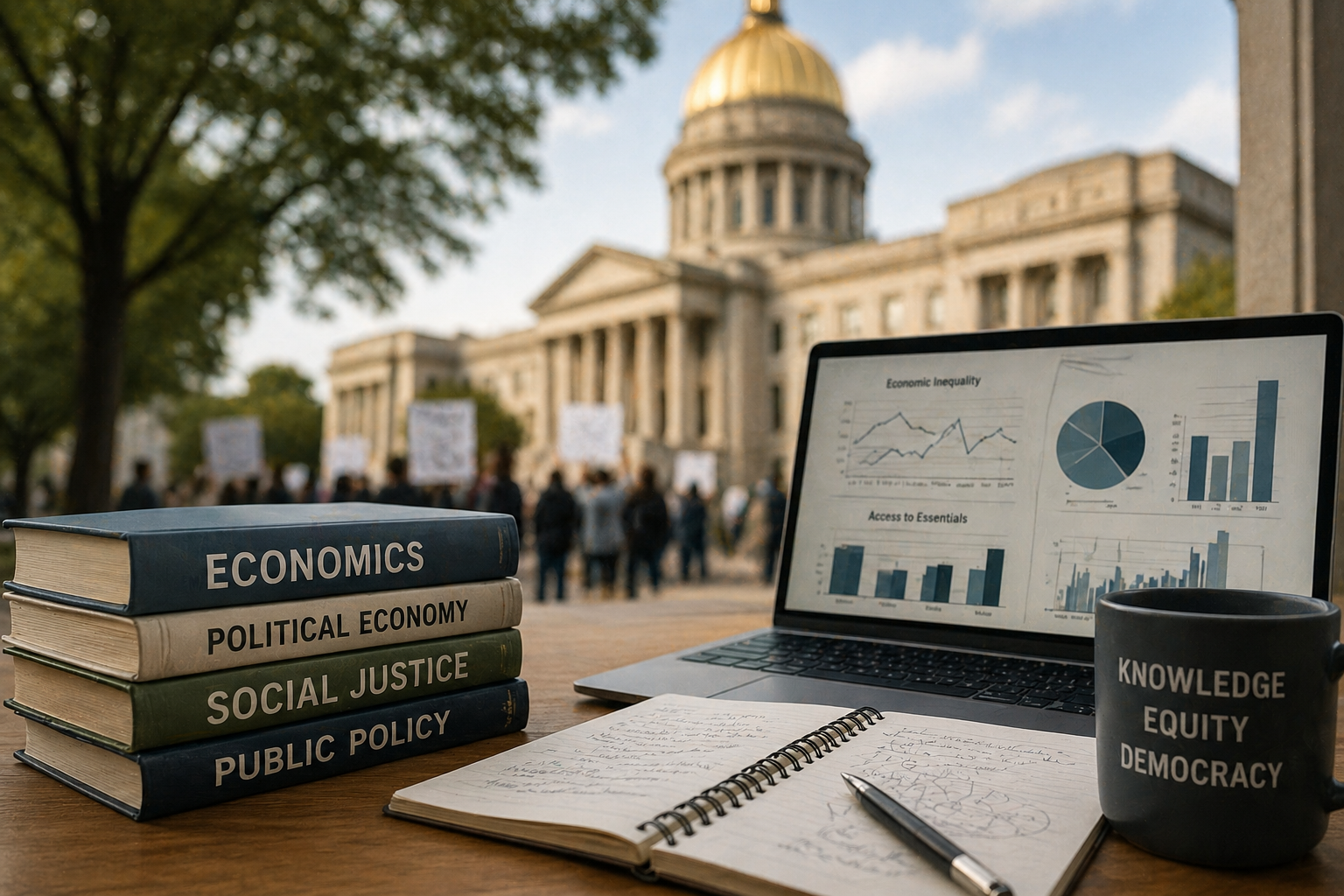
However, reality has revealed a more complicated picture. Wealth generated through economic expansion is not always distributed equally. Many societies experience rising productivity alongside widening income gaps, housing shortages, and declining environmental conditions.
This contradiction raises an important question. If growth does not automatically create shared prosperity, should it remain the primary goal of economic systems?
The Limits of Endless Expansion
The idea of perpetual economic growth faces a fundamental challenge. The planet’s resources are finite. Natural ecosystems have limits, and endless extraction cannot continue indefinitely without consequences.
Forests are disappearing, biodiversity is declining, and climate change is accelerating. These environmental pressures are closely connected to economic systems that prioritize expansion over sustainability. The demand for continuous growth often encourages overproduction, excessive consumption, and unsustainable use of natural resources.
A truly sustainable economy recognizes these limitations. It seeks to align economic activity with ecological boundaries, ensuring that future generations inherit a healthy and stable environment.
This approach does not reject innovation or prosperity. Instead, it asks how societies can achieve prosperity without sacrificing environmental balance and social equity.
Understanding the Degrowth Movement
One of the most influential ideas challenging traditional growth models is the degrowth movement. Despite its name, degrowth does not mean economic collapse or declining living standards. Rather, it advocates reducing unnecessary production and consumption while improving quality of life.
The degrowth movement argues that societies should prioritize wellbeing over material accumulation. Instead of measuring success by how much is produced, economies should evaluate whether people’s needs are being met sustainably and fairly.
This perspective encourages investments in healthcare, education, renewable energy, public transportation, and community wellbeing rather than industries that depend on excessive consumption. It also promotes shorter workweeks, stronger social safety nets, and more equitable distribution of resources.
Supporters believe that degrowth offers a path toward a more balanced society where prosperity is shared and environmental pressures are reduced.
Why People Must Come Before Profit
The phrase people over profit captures a growing movement within economic thought. It reflects the belief that economic systems should exist to serve humanity rather than the other way around.
In many modern economies, profit has become the dominant objective. Businesses are often evaluated primarily by financial performance, while social and environmental impacts receive less attention. This can create situations where economic success is achieved at the expense of workers, communities, and ecosystems.
A sustainable economy reverses this priority. It asks whether economic policies improve human wellbeing, reduce inequality, and protect natural resources. If economic growth benefits only a small segment of society while harming the environment, its value becomes increasingly questionable.
Placing people over profit means recognizing that healthcare, education, housing, and environmental protection are not simply economic commodities. They are essential foundations of a healthy and just society.
Redefining Economic Sustainability
The concept of economic sustainability extends beyond environmental concerns. It includes creating systems that remain stable, equitable, and resilient over time.
An economically sustainable society is one where resources are managed responsibly, opportunities are broadly accessible, and communities are equipped to adapt to change. It emphasizes long term wellbeing rather than short term gains.
This approach also values forms of work and contribution that traditional economic measures often overlook. Caregiving, community service, and environmental stewardship all contribute to social prosperity, even if they are not fully reflected in GDP statistics.
By expanding the definition of value, societies can create more inclusive measures of success.
Building Economies for the Future
Transitioning toward a sustainable economy will require significant changes in policy, culture, and priorities. Governments can invest in renewable energy and sustainable infrastructure. Businesses can adopt practices that balance profitability with social responsibility. Communities can support local economies and cooperative initiatives.
Individuals also play a role by reconsidering patterns of consumption and embracing values centered on sustainability and shared wellbeing.
The transition may be complex, but the alternative of endless expansion on a finite planet presents even greater risks.
Conclusion
The belief in perpetual economic growth has shaped modern societies for generations, but growing environmental and social challenges are revealing its limitations. The rise of the degrowth movement, the emphasis on people over profit, and the pursuit of economic sustainability all point toward a different vision of prosperity.
A sustainable economy does not reject progress. Instead, it redefines progress in ways that prioritize human wellbeing, ecological balance, and long term resilience. By moving beyond the myth of endless growth, societies can begin building futures that are not only prosperous, but also equitable and sustainable for generations to come.