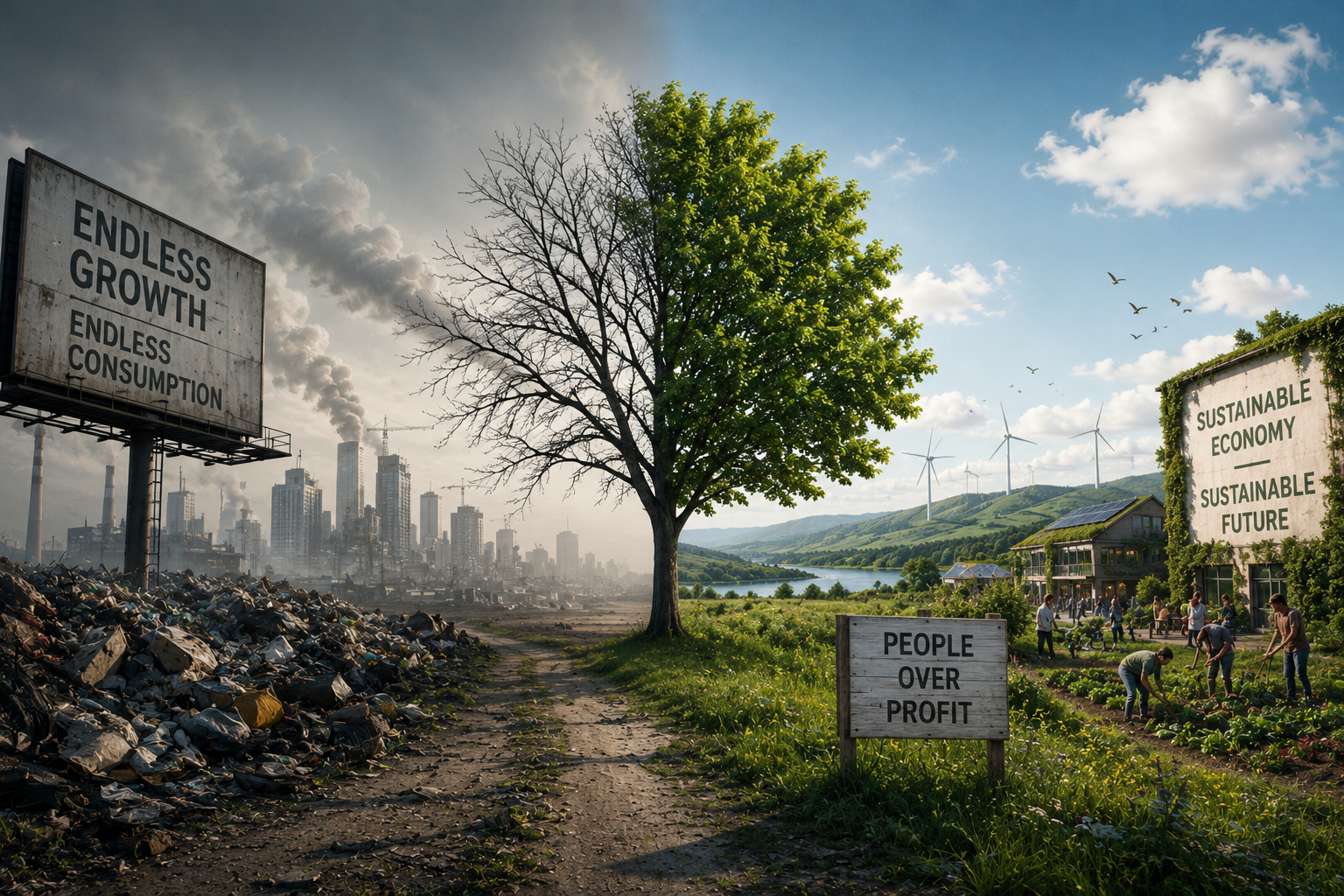
When we imagine human history, we often focus on kings, empires, and monumental civilizations. Yet the most profound transformation occurred thousands of years earlier, when humans shifted from foraging to farming. This agricultural revolution and inequality reshaped the foundations of human life, introducing not only abundance but also new forms of hierarchy and division.
At its core, the development of surplus resource production changed the way humans interacted with one another and with their environment. With food and goods exceeding immediate needs, communities faced questions of storage, distribution, and ownership. Those questions gave rise to private property, hierarchies, and ultimately exploitation. Understanding this pivotal moment helps us trace the historical roots of inequality and see how today’s challenges are tied to decisions made in the distant past.
The Agricultural Revolution: From Survival to Surplus
For nearly 95% of human existence, people lived in prehistoric economic systems based on hunting, gathering, and small-scale cooperation. These societies were relatively egalitarian, with resources shared and leadership fluid. But around 10,000 years ago, the domestication of plants and animals began to reshape this balance.
The early farming communities of the Fertile Crescent, East Asia, and the Americas discovered that crops like wheat, rice, and maize could provide reliable food sources. This shift allowed for surplus resource production, a radical departure from the precarious life of foragers. With surplus came storage, with storage came ownership, and with ownership came inequality.
Surplus and Exploitation
While surplus meant security, it also created opportunities for control. Those who managed granaries or controlled herds began to wield power over others. This was the beginning of surplus and exploitation: the ability of some to monopolize resources and demand labor or tribute in exchange for access.
This transition reveals the paradox of farming. On one hand, it allowed population growth, technological innovation, and cultural complexity. On the other, it set the stage for systemic inequalities that still shape agriculture and human societies today.
The Rise of Property Ownership
The emergence of surplus required systems to regulate access. As communities grew, land and stored goods became commodities. The rise of property ownership transformed communal landscapes into privately managed resources. What had once been human birthrights and shared resources under foraging societies became fenced, hoarded, and inherited.
Property rights and class systems soon followed. Wealth could now be passed down generations, entrenching advantages for some families while marginalizing others. This cemented a cycle of privilege and exclusion, paving the way for economic inequality on a scale never before seen.
Origins of Social Hierarchies
The origins of social hierarchies can be traced directly to agricultural surplus. Leaders, priests, and warriors rose to manage, protect, or tax resources, while commoners tilled fields or provided labor. Unlike egalitarian hunter-gatherer groups, early farming communities developed rigid class structures that restricted mobility.
Domestication and social stratification went hand in hand. The control of plants and animals paralleled the control of people. As societies learned to cultivate crops and breed animals for desired traits, they also began to categorize humans, by class, gender, and status, creating deeply entrenched divisions.
Inequality in Early Civilizations
By the time city-states and kingdoms emerged, inequality in early civilizations had become normalized. Monumental architecture, royal tombs, and elite art all testified to extreme disparities in wealth and power.
Surplus enabled rulers to fund armies and bureaucracies, expanding territorial control but also institutionalizing oppression. In Mesopotamia, Egypt, and beyond, peasants worked the land while elites reaped the benefits. Slavery and bonded labor further entrenched systems of surplus and exploitation, demonstrating how abundance could create oppression rather than security.
Agricultural Surplus and Social Change
The impact of agricultural surplus and social change cannot be overstated. It not only altered diets and demographics but also transformed cultural, religious, and political systems. Agricultural wealth supported temples, rituals, and monumental projects that reinforced the power of elites.
At the same time, dependence on crops created vulnerability. Famine, drought, and crop failures disproportionately affected lower classes while elites shielded themselves with accumulated stores. The very surplus that promised abundance also produced instability and suffering for many.
Inequality and the Birth of Politics
The concentration of wealth and power gave rise to organized governance. The management of surplus required laws, enforcement, and centralized authority. Thus, the inequality and the birth of politics went hand in hand. Political systems emerged to legitimize resource distribution—often favoring elites while suppressing dissent.
In this sense, politics was born from inequality as much as from cooperation. Where hunter-gatherers relied on consensus, agricultural societies relied on rulers and enforcers. The new order cemented divisions between those who ruled and those who labored.
Agriculture and Human Rights
Looking back, the agricultural shift forces us to ask profound questions about agriculture and human rights. Did farming truly liberate humanity, or did it create new forms of bondage? While it enabled population growth and cultural flourishing, it also institutionalized inequality, exploitation, and violence.
Today, debates about land reform, food justice, and sustainability echo these ancient dilemmas. The persistence of hunger in a world of abundance demonstrates how deeply entrenched the dynamics of surplus and inequality remain. By understanding the historical roots of inequality, we can confront modern issues of access, justice, and equity with clearer vision.
Lessons from Prehistoric Economic Systems
Studying prehistoric economic systems reveals that inequality is not inevitable. For tens of thousands of years, humans organized around sharing, reciprocity, and balance with nature. The shift to agriculture was not simply technological; it was cultural and moral.
Reexamining the choices of early farming communities offers lessons for today. Can we reimagine property rights to prioritize sustainability? Can surplus be distributed equitably rather than monopolized? Can we design food systems that support justice instead of exploitation?
Domestication and Social Stratification
The process of domestication reshaped not only ecosystems but also human identity. Domestication and social stratification were intertwined, as the control of seeds, animals, and land paralleled the control of people’s labor and status.
The symbolic connection remains powerful today. Owning property, wealth, or resources continues to confer status, while those excluded from these systems remain marginalized. Revisiting the origins of these dynamics reminds us that inequality is constructed, not natural.
The Persistence of Property Rights and Class Systems
Modern economies still reflect the property rights and class systems that emerged in ancient times. Land ownership remains a primary source of wealth, and unequal access continues to shape global poverty and conflict.
These enduring structures show how the agricultural revolution and inequality created a template for societies that persists thousands of years later. Recognizing this continuity is essential for imagining new systems that prioritize equity and shared prosperity.
Conclusion: Reframing the Agricultural Legacy
The agricultural surplus and social change that began 10,000 years ago reshaped humanity forever. What began as a strategy for survival became the foundation for inequality, hierarchy, and exploitation. From the rise of property ownership to the origins of social hierarchies, the trajectory of agriculture and human societies reveals a paradox: abundance created both opportunity and oppression.
By tracing the historical roots of inequality, we uncover that these systems were choices, not inevitabilities. Understanding the link between surplus, property, and hierarchy gives us tools to reimagine the future.
Today, in a world facing ecological collapse and rising inequality, these lessons matter more than ever. Revisiting the story of early farming communities, we must ask: Can we create abundance without exploitation? Can we design systems where surplus serves all rather than a few?
The answers lie not only in technology but in values, rethinking ownership, embracing justice, and learning from the prehistoric economic systems that sustained humanity for millennia without entrenched inequality.
By reimagining the relationship between surplus resource production and society, we can build a world where farming, food, and human rights are not tools of division but foundations of peace and equity.